
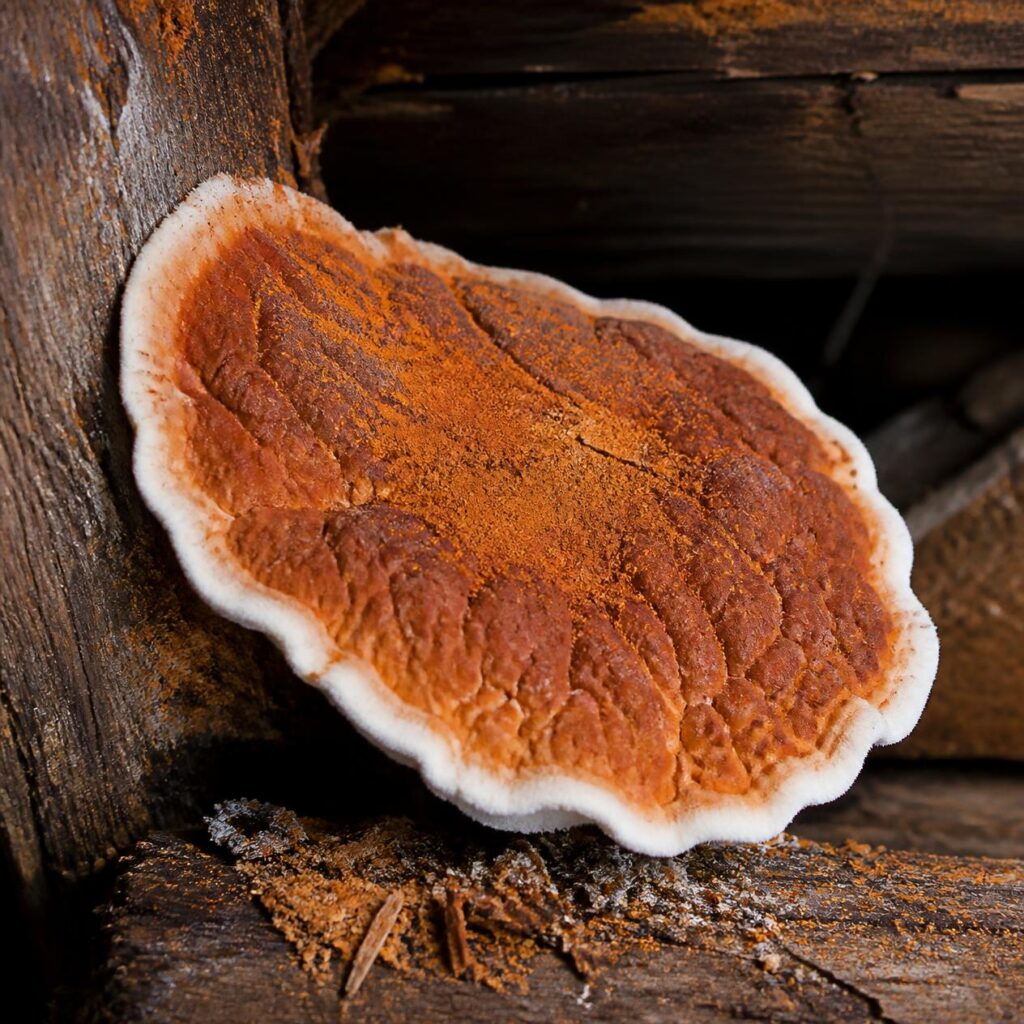
Dry Rot
(Serpula Lacrymans)
The Silent Threat to Buildings
Serpula lacrymans (commonly known as dry rot) is the “cancer of buildings.” This wood eating fungus is a destructive force that eats away at the very structure of your property (wood, masonry, concrete) using its vast moisture networks. Eliminating it quickly with an effective dry rot (Serpula lacrymans) treatment is critical to stopping dry rot (Serpula Lacrymans), saving your structural integrity, and protecting your indoor air from toxins.
Request an Analysis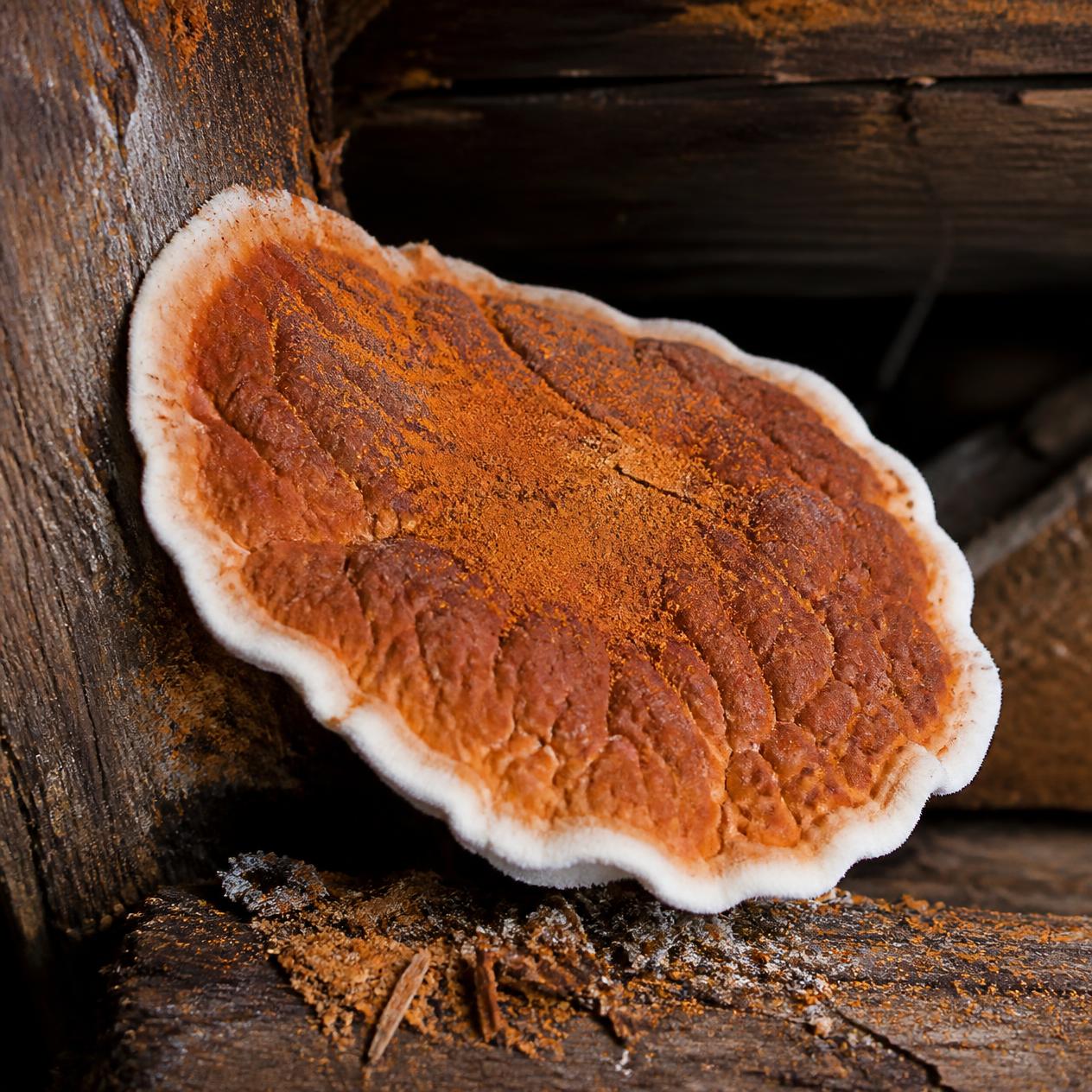
Trusted by Our Clients
With over 4,500 completed projects, we have become a benchmark in environmental analysis in Quebec.
Dry Rot (Serpula lacrymans) : Visual Warnings & Signs
How do I know if my house/building neets a dry rot (Serpula lacrymans) test ?
What We Provide
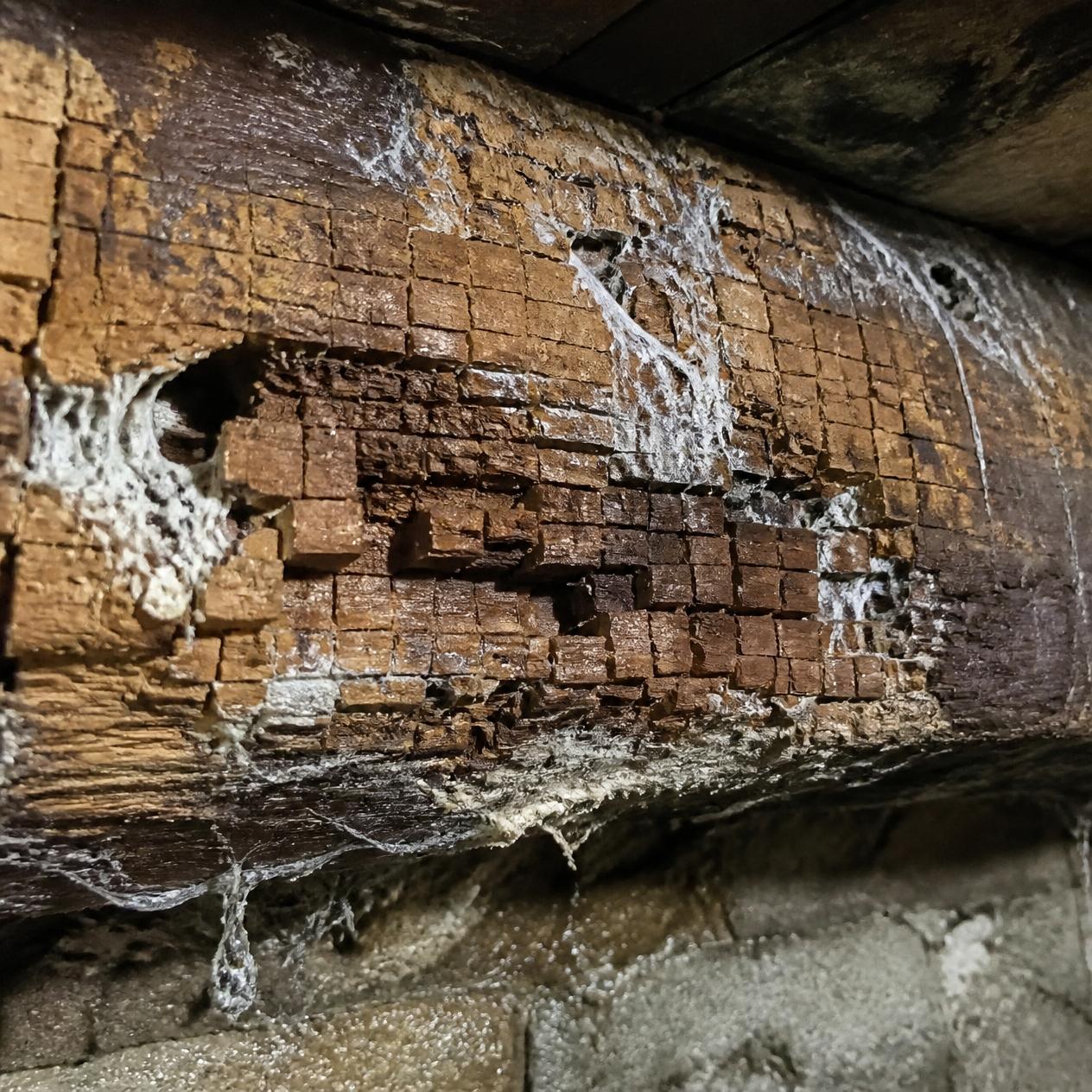
Dry Rot (Serpula lacrymans) : Visual Warnings & Signs
- Appearance of cubical rot : Brown wood cracking into brittle cubes.
- Spore accumulation: A fine, rust-orange dust covering surfaces.
- Mycelium filaments: Thick, cottony white-to-gray strands spreading across walls.
Close order tracking and great support. Quick response and available everywhere.
— Louis, Client, Quebec
Your Questions,
Answered
What is the cost of dry rot (Serpula lacrymans) analysis in Quebec?
The dry rot (Serpula lacrymans) remediation cost and testing fees vary depending on the scope of the investigation and the number of samples taken. Contact us to get an accurate quote.
Is dry rot (Serpula lacrymans) dangerous to health?
Dry rot (Serpula lacrymans) primarily attacks the structural integrity of buildings. However, the conditions that allow it to grow often promote the appearance of molds, which can cause respiratory issues.
How long does it take to receive the results of a dry rot (Serpula lacrymans) test?
Timeframes depend on the chosen method. For a standard test, results are usually available within 3 to 5 business days. When identification requires more in-depth testing (DNA testing), the timeframe can take up to 4 weeks. In all cases, Groupe SolAirEau ensures that results are sent quickly and explained in clear terms, accompanied by practical recommendations for effective intervention.
What should I do if the results confirm the presence of dry rot fungus (Serpula lacrymans) ?
If contamination is confirmed, the first step is to locate and fix the root cause (water infiltration, poor ventilation, high humidity levels). Next, appropriate remediation must be carried out: specialized cleaning, removal of contaminated materials, and implementing steps to fix dry rot (Serpula lacrymans) wood and prevent it from returning. Our report always includes specific recommendations on the actions to take and can serve as a reference for insurers, contractors, or health authorities. The faster dry rot (Serpula lacrymans) is treated, the less risk it poses to the occupants’ health and the building’s value.
CONTACT US
Tell Us About Your Needs, and We’ll Find the Right Solution
Fill out the form and we will contact you within one business day.

